
Understanding your child’s focus, energy, and behaviour, one step at a time.
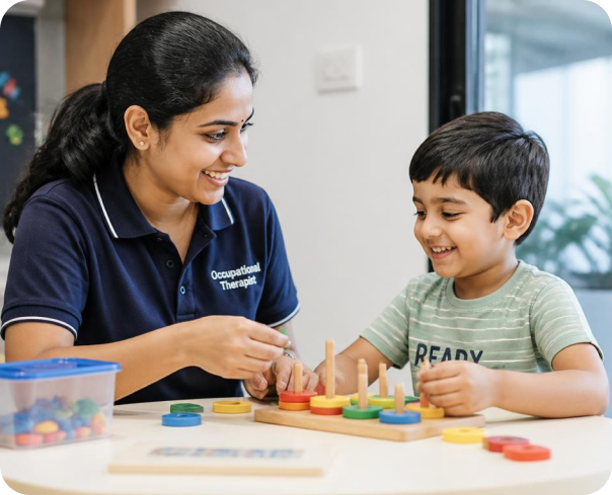
Most children are inattentive, restless, or impulsive at some point, especially at a young age, and this alone doesn’t indicate ADHD. The difference lies in intensity, consistency, and impact. A child with ADHD shows these behaviours more often, more intensely, and across multiple settings, such as both home and school, in ways that noticeably interfere with learning, friendships, or daily routines, not just occasionally at home.
Children with this type of ADHD struggle primarily with focus rather than hyperactivity. They may lose track of instructions midway, appear not to listen even when spoken to directly, forget daily tasks, and frequently misplace items needed for schoolwork or activities.
This type is marked by constant movement, restlessness, and difficulty staying seated or waiting turns. Children may fidget, talk excessively, blurt out answers before questions are finished, or interrupt conversations and games without meaning to be disruptive.
The most commonly diagnosed type, combined ADHD includes a mix of both inattentive and hyperactive-impulsive symptoms. A child may struggle to stay focused on tasks while also finding it hard to control impulses or sit still for extended periods.
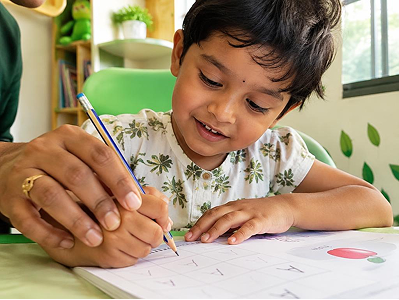
ADHD tends to run in families, and children with a parent or sibling who has ADHD or another mental health condition have a higher likelihood of developing it themselves, pointing to a strong genetic component.
Differences in brain structure and the chemicals that regulate attention and impulse control, such as dopamine, are believed to play a significant role in how ADHD develops and presents in children.
Exposure to alcohol, tobacco, or recreational drugs during pregnancy, along with premature birth and low birth weight, have all been linked to a higher risk of a child developing ADHD later on.
Early exposure to environmental toxins such as lead, commonly found in old paint and pipes, along with head injuries or trauma affecting brain development, may contribute to the onset of ADHD symptoms.
ADHD can affect far more than schoolwork. Children may struggle with friendships due to impulsive behaviour, face frequent correction at school, or feel discouraged by repeated mistakes despite trying hard. Over time, this can chip away at self-esteem and increase the risk of anxiety or low motivation. With the right support, though, most children with ADHD learn to channel their energy productively, build stronger focus, and thrive both socially and academically.
Structured techniques that help children build self-control, manage impulses, and replace disruptive behaviours with healthier coping strategies, taught through consistent, positive reinforcement.
Support for improving focus, self-regulation, and sensory processing, helping children manage restlessness and stay engaged in structured tasks for longer periods.
Practical strategies for organization, time management, and task planning, giving children tools to complete schoolwork and daily responsibilities with less frustration.
Guidance for parents on managing routines, setting consistent expectations, and reinforcing therapy strategies at home so progress extends well beyond the therapy room.

Book an assessment with certified specialists at Sixsenses and get a clear, personalised plan for your child’s development, therapy, and rehabilitation needs.