
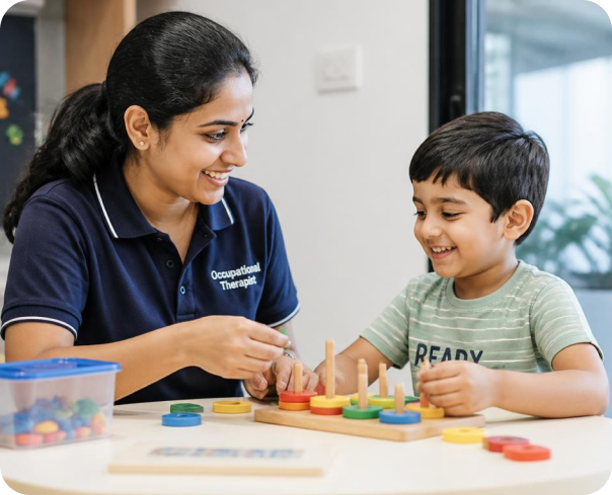
A child psychological assessment is a structured evaluation that looks at how your child thinks, learns, feels, and behaves. It combines standardized tests, direct observation, and conversations with parents and, where relevant, teachers, to build a complete picture of your child’s cognitive, emotional, behavioural, and social functioning.
Some parents come with specific concerns, such as a teacher flagging attention difficulty or a sudden change in behaviour at home. Others simply want clarity on whether their child’s development is on track. Either way, the assessment isn’t about labelling your child. It’s about identifying exactly what’s going on beneath the surface, so any support that follows, whether therapy, classroom accommodations, or simply a better understanding at home, is based on facts rather than guesswork.
Anxiety, attention difficulties, autism traits, and mood concern often show up quietly at first. Identifying them early means support can begin before they start affecting your child's confidence, friendships, or daily functioning at home and school.
Children don't always have the words to explain what they're feeling. Behaviour like anger, withdrawal, or clinginess is often the surface sign of something deeper. Assessment helps uncover the real cause instead of just managing the behaviour.
When a child struggles in school, it's not always about effort. Assessment can identify specific learning difficulties, attention gaps, or processing challenges, giving teachers and parents the information needed to adjust teaching methods and support learning properly.
Some children find it hard to read social cues, hold conversations, or build friendships. Assessment pinpoints where the difficulty lies, whether it's social anxiety, autism-related traits, or something else, so the right support can follow.
Results give you and your child's teachers a shared, accurate understanding of what they need. Instead of guessing at parenting approaches or classroom strategies, everyone works from the same clear picture.
If your child shows frequent anger outbursts, persistent sadness, withdrawal from family or friends, or fears that seem out of proportion to the situation, an assessment can identify what's driving these patterns and how to address them.
When a child is slower to reach milestones in speech, motor skills, or social interaction compared to peers, assessment clarifies whether this reflects a specific developmental condition or falls within a normal range of variation.
Difficulty sitting still, following instructions, maintaining eye contact, or struggling with reading and writing despite effort can point to underlying conditions. Assessment gives you a definitive answer instead of ongoing uncertainty.
A child who was previously doing well but has recently started struggling in school, whether with grades, focus, or motivation, may be dealing with an emotional, cognitive, or learning-related issue that assessment can help identify.
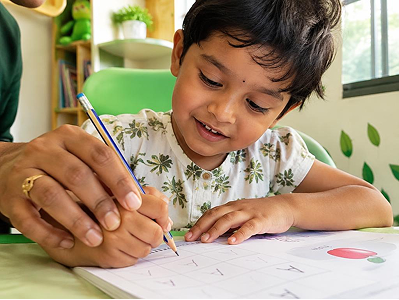
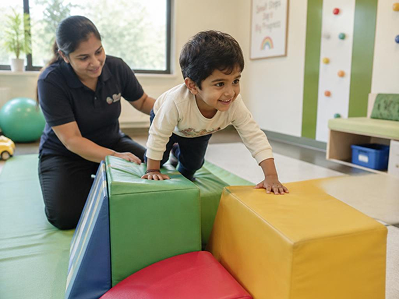
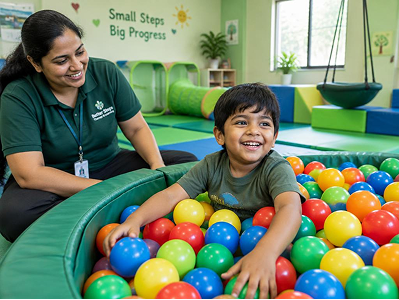

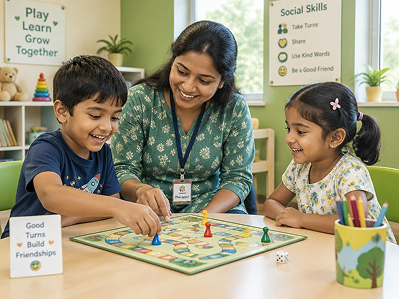
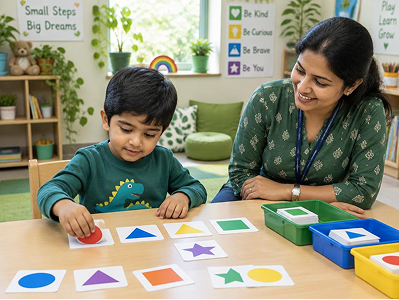
We begin with a detailed conversation about your concerns, your child's developmental and academic history, and any observations from home or school. This context guides which tools and tests we use in the sessions that follow.
Your child works directly with our psychologist through standardized tests, structured tasks, and observation during play, spread across one or more sessions depending on their age, attention span, and the areas being assessed.
We score and analyze the results, then prepare a written report covering your child's cognitive, emotional, behavioural, and academic profile, along with a clear explanation of any concerns identified.
We sit down with you to walk through the findings in plain language, answer your questions, and, where needed, outline a therapy or support plan built specifically around your child's results.

Yes. Assessment results are shared only with you, and with anyone else you specifically authorize, such as your child’s school or another specialist involved in their care.