
A learning disorder, also referred to as a learning disability, is a diagnosed, neurologically based condition, such as dyslexia or dyscalculia, confirmed through formal assessment and requiring targeted, long-term therapy. Learning disorders in children are often confused with learning difficulties, which are broader struggles with a subject or skill caused by teaching gaps, anxiety, or attention issues, and usually improve with extra classroom support rather than clinical intervention.

Reading slower than peers, mixing up similar-looking words, struggling to sound out unfamiliar words, and having difficulty recalling or summarizing what was just read even after multiple attempts.
Handwriting that is difficult to read, frequent spelling and grammar errors, and trouble organizing ideas into clear sentences or paragraphs, even when the child understands the topic verbally.
Trouble counting reliably, confusing math symbols, difficulty memorizing multiplication tables, and struggling to translate word problems into the correct sequence of steps needed to solve them.
Frequently losing homework or school supplies, needing instructions repeated multiple times, and struggling to plan, sequence, and complete multi-step assignments on time.
Clumsiness during physical activities, an awkward pencil grip, difficulty with tasks like cutting or drawing, and trouble reading facial expressions or understanding unspoken social signals from peers.
Avoiding reading or homework, showing frustration or anger during academic tasks, appearing withdrawn in class, or acting out to deflect attention from ongoing academic struggles.
Children with a parent, sibling, or close blood relative who has a learning disorder have a noticeably higher likelihood of developing one themselves, suggesting a strong hereditary component to many learning disorders.
Learning disorders are often linked to how specific areas of the brain responsible for language, memory, or number processing are structured, or to differences in how these regions communicate with each other.
Poor fetal growth, exposure to alcohol or drugs before birth, premature delivery, and very low birth weight have all been associated with a higher risk of learning disorders later in childhood.
Early exposure to toxins such as lead, along with significant emotional trauma or physical injury in early childhood, can affect how the brain develops and increases the likelihood of learning difficulties.
Structured, one-on-one academic support targeted at the specific gaps in reading, writing, or math identified during assessment, delivered at a pace suited to the child rather than the classroom average.
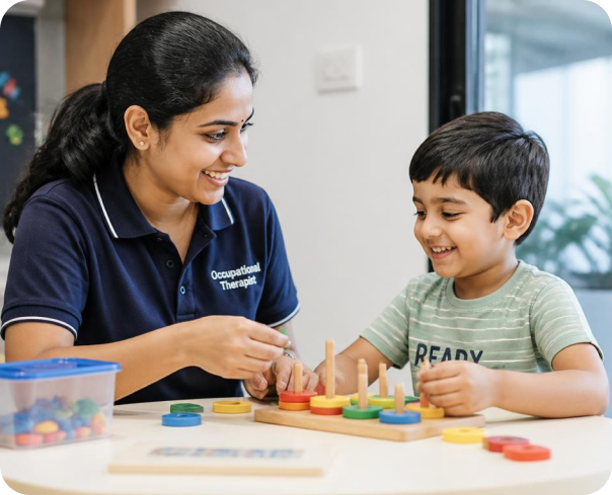
Focused sessions to build fine motor control, handwriting fluency, and coordination, helping children complete classroom tasks like writing and cutting with more ease and confidence.
Support for understanding spoken instructions, expressing thoughts clearly, and strengthening the language skills that reading and writing depend on.
Practical guidance for reinforcing learning strategies at home, so progress made in therapy carries over into daily homework and routines.

Book an assessment with certified specialists at Sixsenses and get a clear, personalised plan for your child’s development, therapy, and rehabilitation needs.