
Sensory Processing Disorder (SPD) affects how the brain receives and organises information from the senses, including sight, sound, touch, taste, smell, movement, and body awareness. For most children, this processing happens automatically and without conscious effort. For a child with SPD, sensory input can feel too intense, not intense enough, or simply confusing, making everyday experiences like getting dressed, eating a meal, or sitting in class far harder than they appear to others.
SPD isn’t currently classified as a standalone diagnosis, and doctors debate whether it should be treated separately or as part of conditions like autism or ADHD. Even so, many children show clear, consistent difficulty processing sensory information, sometimes without any other diagnosis present, and identifying this early helps families access therapy that makes a real difference.
The child reacts too strongly, too quickly, or for too long to sensory input that most people barely notice, such as clothing tags, background noise, or bright lights. This can lead to avoidance of everyday situations that feel overwhelming, and to strong emotional reactions that seem disproportionate to what triggered them.
The child needs a stronger or longer burst of sensory input before they notice or respond to it, and often seeks out intense movement, touch, or sound to feel regulated and alert
Some children actively crave sensory stimulation but become disorganised once they get it, while others struggle primarily with body awareness, balance, or coordinating movement, which can affect everyday physical tasks.

When sensory input becomes too much to process, children may have intense, prolonged meltdowns that are difficult to predict, understand, or calm quickly once they begin.
SPD appears to run in some families, suggesting a genetic component, though no single gene has been identified as the cause and research is still ongoing.
Differences in how the brain's sensory pathways connect and communicate can affect how efficiently information from the senses is organised, filtered, and interpreted.
Complications during pregnancy or birth, including premature birth or low birth weight, have been associated with a higher likelihood of sensory processing difficulties later in childhood.
Limited early sensory experiences, significant early-life stress, or a lack of varied sensory exposure in infancy may also influence how a child's sensory systems develop over time.
SPD can shape nearly every part of a child’s day. At home, simple routines like getting dressed, brushing teeth, or eating meals can become daily battles if certain textures or sensations are intolerable. At school, difficulty sitting still, focusing amid noise, or handling transitions can affect learning and participation. Socially, sensory sensitivities can make playgrounds, parties, or crowded spaces overwhelming, leading some children to withdraw from activities their peers enjoy.
Over time, unaddressed sensory difficulties can affect a child’s confidence and relationships. Many children with SPD also have co-occurring conditions like autism, ADHD, or anxiety, and addressing these together generally leads to better outcomes. With consistent, individualised therapy, children with SPD build practical strategies to manage sensory input and participate more fully in daily life.
We evaluate how your child responds across all sensory systems, including touch, sound, sight, movement, and body awareness, to build a clear, individual sensory profile before recommending a path forward.
Every plan at Sixsenses is built around your child's specific sensory pattern, whether that is avoidant, seeking, or a combination of both, rather than a generic programme applied uniformly across cases.
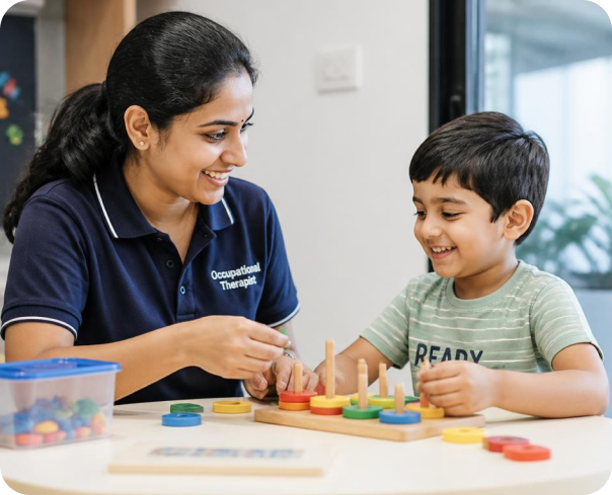
Using structured, play-based activities in a controlled environment, we help your child experience sensory input safely, gradually building tolerance, regulation, and coping strategies.
We design a personalised set of sensory activities for home and school, such as movement breaks or access to fidget tools, that help your child stay regulated, focused, and organised throughout the day.
For children with related motor difficulties, therapy also targets handwriting, coordination, balance, and everyday physical tasks like dressing and using utensils.
Parents receive practical strategies to recognise sensory triggers early and respond in ways that help their child stay calm and regulated at home and in public settings.
Where needed, we work with schools to put classroom accommodations in place, and we track progress across sessions to adjust the plan as your child grows and their needs change.

A sensory diet is a personalised schedule of sensory activities, such as movement breaks, deep pressure input, or access to fidget tools, designed to help a child stay regulated and focused throughout the day at home and school.
Identifying specific triggers, building predictable routines, and offering sensory tools like weighted blankets or noise-cancelling headphones can help, especially alongside guidance from an occupational therapist who understands your child’s unique sensory profile.
Book an assessment with certified specialists at Sixsenses and get a clear, personalised plan for your child’s development, therapy, and rehabilitation needs.